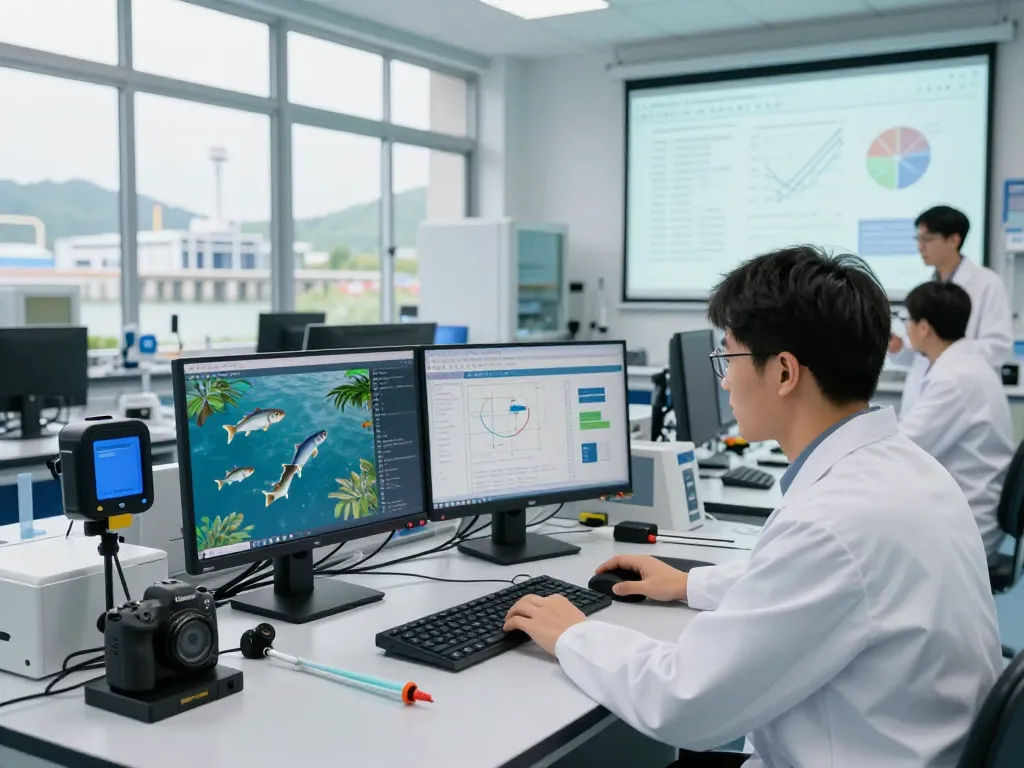
Understanding the HBET Framework
The Hydropower Biological Evaluation Toolset (HBET) is a pioneering approach designed to enhance the understanding of biological responses related to hydropower operations. As global interest in sustainable energy solutions grows, the role of sophisticated assessment tools like HBET becomes increasingly critical for ensuring the ecological integrity of aquatic ecosystems. By integrating advanced data collection and analytical techniques, HBET provides a comprehensive framework that aids researchers and practitioners in making informed decisions about hydropower facilities. For comprehensive insights into this innovative tool, hbet serves as a valuable resource for exploring the latest developments and applications.
What is the Hydropower Biological Evaluation Toolset (HBET)?
HBET is an interactive platform that facilitates the evaluation of biological responses associated with hydropower infrastructure. At its core, HBET focuses on analyzing data collected from various field-based sensors to assess how different hydropower operations affect fish passage and aquatic life. The toolset is backed by extensive research, employing statistical models to predict biological outcomes and optimize conditions for fish migration.
The Purpose and Importance of HBET in Hydropower
The primary purpose of HBET is to evaluate and enhance the effectiveness of fish passage solutions at hydropower facilities. As hydropower plays a crucial role in the renewable energy landscape, it is essential to balance energy production with environmental conservation. HBET supports this balance by providing evidence-based insights into how hydropower operations influence aquatic ecosystems, ultimately aiding in the creation of more sustainable energy practices.
Key Components of the HBET System
- Data Collection Modules: Utilizing advanced sensors, HBET collects real-time data on water flow, fish behavior, and environmental parameters.
- Biological Response Models: These models interpret the data to assess the impact of hydropower facilities on fish populations and their habitats.
- User Interface: A user-friendly platform that makes it easy for researchers to input data, run analyses, and visualize results.
- Reporting Tools: HBET generates comprehensive reports that aid in decision-making processes for hydropower management.
The Science Behind HBET
Field Sensors and Their Role in Data Collection
Field sensors play a pivotal role in the HBET framework. These sensors include tools like acoustic telemetry devices and Sensor Fish, which provide critical data on fish movements and environmental conditions. By gathering real-time data, researchers can track how changes in water flow and turbine operations impact fish behavior, which is essential for developing effective fish passage solutions.
Biological Response Models Explained
Biological response models are at the heart of HBET’s analytical capabilities. These models use statistical and mathematical tools to interpret data collected from field sensors. By analyzing the relationships between hydropower operations and biological responses, researchers can identify patterns, predict outcomes, and recommend modifications to improve fish passage efficiency.
Case Studies: Success Stories from HBET Applications
Several successful applications of HBET illustrate its effectiveness in enhancing fish passage. For instance, a study conducted at a major hydropower facility demonstrated that modifications informed by HBET analysis led to a significant increase in salmon migration rates. By employing data-driven decision-making, hydropower operators can implement targeted strategies that support aquatic ecosystems while maintaining energy production.
Implementing HBET in Research
Step-by-Step Guide to Using HBET
Implementing HBET in hydropower research involves several key steps:
- Define Research Objectives: Clearly outline the goals of the study, focusing on specific aspects of fish passage.
- Deploy Field Sensors: Install the necessary sensors to collect relevant data on fish movements and environmental conditions.
- Collect Data: Monitor and record data over a designated period to gather comprehensive information.
- Analyze Data: Use HBET’s biological response models to interpret the collected data and draw conclusions.
- Report Findings: Create reports to communicate the results and recommendations to stakeholders.
Common Challenges and Overcoming Misconceptions
Despite its advantages, the implementation of HBET can encounter challenges. One common misconception is that hydropower operations do not significantly impact aquatic life. However, evidence from HBET analyses demonstrates that even subtle changes in water flow can affect fish behavior significantly. By addressing these misconceptions and providing robust data, researchers can advocate for better practices that prioritize ecological health alongside energy production.
Best Practices for Hydropower Studies
To maximize the effectiveness of HBET in hydropower studies, researchers should follow best practices, including:
- Engaging stakeholders early in the research process to gather diverse insights.
- Ensuring regular calibration and maintenance of field sensors for accurate data collection.
- Utilizing multiple data sources to enhance the robustness of analyses.
- Continuously updating models based on new data and findings to improve predictive accuracy.
Future Trends in Hydropower Research
Emerging Technologies Impacting HBET
As technology evolves, so too does the landscape of hydropower research. Emerging technologies such as artificial intelligence and advanced machine learning are anticipated to enhance the capabilities of HBET. By integrating these technologies, researchers can automate data analysis processes, leading to faster and more accurate insights into biological responses and operational impacts.
Predicted Developments in Fish Passage Research by 2026
Looking ahead to 2026, we can expect several developments in fish passage research driven by HBET. Innovations may include the development of more sophisticated sensors that provide even higher resolution data and improved biological response models that incorporate a wider array of environmental variables. These advancements aim to refine our understanding of fish behavior relative to hydropower operations.
How Policy Changes Could Affect HBET Usage
Policy changes play a significant role in shaping the application of HBET. As governments and regulatory bodies increasingly emphasize the importance of ecological conservation, the integration of tools like HBET into policy frameworks is likely to become more commonplace. This shift could lead to enhanced funding opportunities and greater collaboration between researchers and hydropower operators, ultimately driving innovation in sustainable energy practices.
Frequently Asked Questions about HBET
What is the significance of HBET in energy research?
HBET is significant in energy research as it provides critical data that help balance energy production with ecological health. By assessing the impacts of hydropower operations on aquatic ecosystems, HBET encourages practices that support both renewable energy initiatives and biodiversity.
How does HBET improve fish passage efficiency?
HBET improves fish passage efficiency by leveraging data-driven insights to inform operational modifications at hydropower facilities. Through precise analyses of fish behavior and environmental conditions, HBET helps identify and implement strategies that enhance the migratory success of fish populations.
Who can benefit from utilizing HBET?
Various stakeholders can benefit from utilizing HBET, including hydropower operators, environmental researchers, policymakers, and conservationists. By providing a comprehensive understanding of the interactions between hydropower operations and aquatic ecosystems, HBET supports informed decision-making across these groups.
What training is required to use HBET effectively?
To use HBET effectively, users should undergo training in data analysis, hydrology, and ecological modeling. Familiarity with statistical software and the specific functionalities of the HBET platform will also enhance users’ ability to interpret results accurately and apply findings to real-world scenarios.
Where can I find more resources on HBET?
A wealth of resources on HBET can typically be found through academic publications, hydropower research institutions, and dedicated websites focused on hydropower and ecological health. Engaging with these resources will provide deeper insights into the toolset’s capabilities and applications.